Are Businesses Taking the Human Out of Hiring?
By
Chris Whatling, Co-Founder - The Animal People Recruitment Company
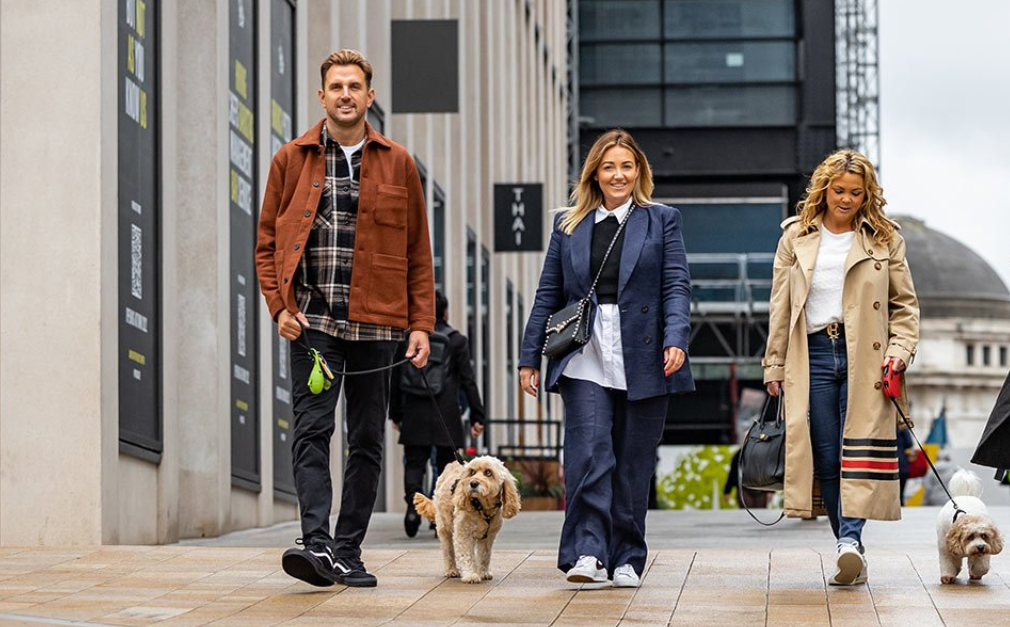
One of the best things about what we do is that we get to speak to people at every level across the pet, animal health and veterinary industries. Candidates tell us what's really happening in their job search. Clients tell us what they're struggling with when hiring. Sitting somewhere in the middle of it all gives us a pretty interesting view of what's actually going on in the market.
Lately, some of what we've been hearing has really bothered us.
Candidates waiting weeks after a final interview to hear anything. People applying directly to businesses they genuinely want to work for and never speaking to another human being. Applications disappearing into systems with little or no acknowledgement. AI screening CVs, and increasingly, AI interviewing candidates too.
Let's be clear: we're not anti-AI. We use it, and we think it's remarkable technology with real potential to make recruitment better. But it raises an important question. In the rush to make hiring quicker, cheaper and more efficient, are some businesses taking the human out of it? From what candidates are telling us, we think some are.
Weeks of Waiting After a Final Interview
We recently spoke to a senior leader in animal health who'd been through two recruitment processes directly with employers - someone with real experience who'd invested hours researching the businesses, preparing, interviewing and making it all the way to final stage. In both cases, they waited four weeks for a decision.
That's not good enough. Behind that wait is a person who might have just been made redundant, has a mortgage to pay, or has another offer on the table. Every phone call, every email notification, could be the answer they've been waiting for - and they've already given the business hours of their time.
Nobody expects instant decisions; recruitment is complicated, diaries are difficult, and things do sometimes take longer than planned. But it takes very little to communicate.
"We haven't made a decision yet, but we haven't forgotten about you" is often all somebody needs to hear.

It's also why we still believe so strongly in the value of a good recruiter. We're not there simply to send a CV and disappear - we chase feedback, manage expectations, keep candidates informed, and have the awkward conversations rather than leaving someone wondering. That protects the candidate, but it protects the business too, because whether or not somebody gets the job, they'll remember how the process made them feel. Candidate experience isn't fluff - it's your reputation.

Is AI Making Recruitment Better, or Just Faster?
More organisations are introducing AI screening, automated assessments and AI interviews. Again, we're not against the technology - what worries us is what's being replaced with it.
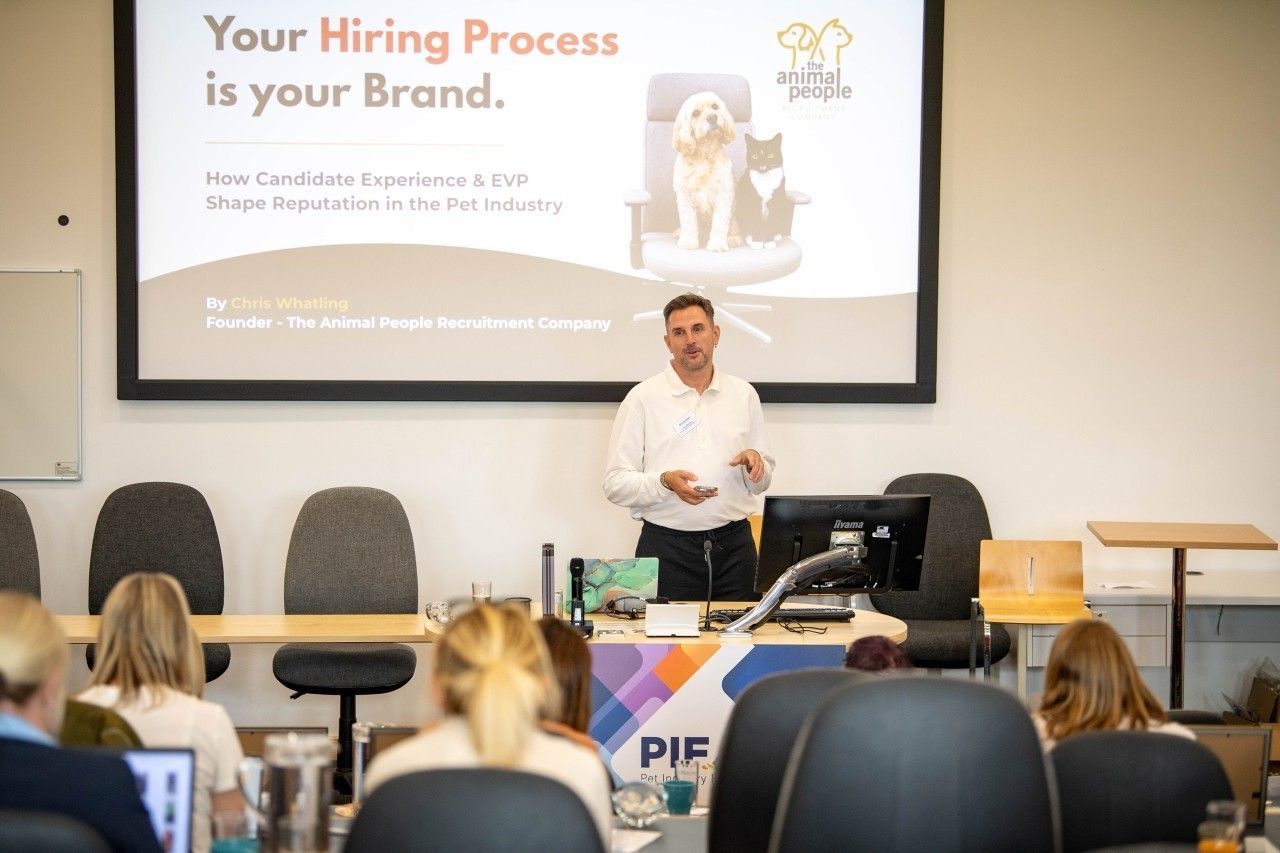
We shared this example when speaking at the Business of Pets Conference earlier this year: a candidate completed an automated interview with no person on the other side, just questions appearing on a screen. One of the final questions was: "You've been given an African elephant. You can't sell it. You can't hide it. What do you do?"
What are we actually trying to learn about somebody with that question? That candidate might have applied to 50 jobs. They might have just been made redundant. They researched the company, updated their CV, completed the application, and gave their time - and instead of a conversation with someone from the organisation they could spend 40 hours a week working for, they were talking to a computer about an imaginary elephant.
What Candidates Are Telling Us
This isn't just anecdotal. Gartner surveyed almost 3,000 job candidates and found only 26% trusted AI to evaluate them fairly, while a quarter said they trusted an employer less if AI was used to assess their application.
Greenhouse's research, surveying nearly 3,000 active jobseekers across the UK, Ireland, Germany, Australia and the US, found that 63% had already experienced an AI interview, and 38% had walked away from a process because it included one. In the UK specifically, only 13% of candidates who'd completed an AI interview said they'd clearly been told upfront that AI was involved, and 42% said they never heard back afterwards.
Businesses are introducing technology meant to improve recruitment, yet candidates are often coming away feeling more disconnected. Which means the question shouldn't just be "can AI make recruitment quicker?" It should be "does this make recruitment better?" - and, just as importantly, "how does this make candidates feel?"
Pro-Human, Not Anti-AI
If AI removes repetitive admin and gives recruiters more time to actually speak to candidates, that's brilliant. If it helps write a better job advert, analyse information or spot trends, fantastic. Where we struggle is when technology is used simply to remove people from the process - because hiring is fundamentally human.
You're asking somebody to leave a job they may have held for years, to trust you with their livelihood, to join a new team under a new manager and spend a huge part of their life helping build your organisation. Surely they deserve to meet somebody?
This isn't just our opinion. The Information Commissioner's Office has been examining automated decision-making in recruitment, raising questions around transparency, fairness, bias and whether there's meaningful human involvement in decisions. It's clear that AI can bring real benefits - including helping businesses handle high volumes of applications - but only with the right safeguards and transparency in place. Use the technology, embrace innovation, make recruitment more efficient - but use it to make recruitment more human, not less.
The Value of a Good Recruiter Is Growing
We may be biased - we own a recruitment company, but we believe the more recruitment becomes automated, the more valuable genuinely good recruiters become. And recruitment companies carry some responsibility here too. If an agency's entire service is finding someone on LinkedIn, sending a CV and charging a fee, it's fair to question what you're paying for.
A good recruiter understands your business before they start searching, knows why someone would want to work for you, understands the market, and challenges you when your salary isn't competitive, your process is too long, or something about the opportunity is putting people off. On the other side, they know their candidates beyond the CV: what motivates them, why they're looking, what they're worried about, and what environment they'll actually thrive in. Technology supported, human led - there are some things an algorithm simply can't replace.
A Simple Test for Your Own Hiring Process
If you're responsible for recruitment in your organisation, try going through your own process as a candidate would. Look at your job advert. Apply for the role. Read the automated emails. Count how many stages someone has to complete, and how much information you're asking for before they've spoken to a real person.
If you're using AI, do candidates know where and why it's being used, and what happens to their information? Between interviews, would you feel valued and kept informed - or would you feel like application number 2,476?
Behind every application is a person, and when you've followed the same process for years from the inside, it can be genuinely hard to see what it actually feels like from the other side.
Putting Your Hiring Process Under the Microscope
That's exactly why we created our Candidate Experience Audit with Jo Major of Diversity in Recruitment. Jo's 25 years' experience identifying the barriers and bias businesses often don't realise are there, combined with our decade-plus in recruitment and what candidates tell us daily, means we look at your process through two complementary lenses.
We examine everything from your job advert and application journey through to communication, accessibility, interviews, feedback, and your use of technology and AI - what a candidate actually experiences when they try to join your organisation. We won't just tell you what's wrong; we'll tell you what's working brilliantly too, and be honest about what could be costing you great people or unintentionally excluding candidates you should be attracting. You'll come away with practical recommendations you can actually implement, not a report that gets filed away and forgotten.
You can spend thousands on your EVP, careers website and employer branding, but if applying to your business leaves someone feeling ignored or like just another number, that's what they'll remember. If you're not entirely sure what your candidates experience, get in touch with us and let's put your hiring process to the test.




The Bottom Line
Technology is moving faster than ever, and that's exciting - we don't want recruitment, or our industry, to stand still. But we don't want it to become so obsessed with efficiency that it forgets what hiring is actually about: people. The person waiting for the phone to ring after a final interview. The hiring manager who needs somebody brilliant to join their team. The candidate who's just been made redundant, wondering what comes next. The recruiter trying to bring them together. None of them are an application number.
Use AI. Use automation. Use every brilliant piece of technology available to make recruitment better. But don't forget to pick up the phone - because sometimes the most valuable thing you can give somebody during a recruitment process isn't more technology. It's five minutes of your time.
More Blogs...