Pride, Allyship and Why the Pet Industry Still Has Work To Do
Every June, Pride Month arrives and with it comes a mixture of celebration, reflection and conversation.
For me, it's always been about people.
Not politics.
Not headlines.
Not whatever argument happens to be dominating social media that week.
People.
The people I've met throughout my life and career. The people who have supported me. The people who have challenged me. The people who have made me feel welcome. And the people who, often without realising it, have completely changed the direction of my life.
Over the last few years, conversations surrounding the LGBTQIA+ community have become increasingly loud. No part of our community has felt that more acutely than transgender people, who have found themselves at the centre of political debates, media headlines and public discussions that often forget one very important thing.
Behind every debate is a human being.
Someone trying to live authentically.
Someone trying to build a career.
Someone trying to support the people they love.
Someone trying to navigate the world just like everybody else.
As industries built on compassion, care and understanding, I believe that's something we should never lose sight of.
Because dignity, respect and kindness should never be controversial.
As somebody who has spent more than fifteen years working in recruitment and the last five years immersed in the pet, animal health and veterinary sectors, I've learned that people do their best work when they feel safe enough to be themselves.
Yet research from Stonewall found that 39% of LGBTQ+ employees have hidden their identity at work because they feared discrimination.
Think about that for a moment.
Almost four in ten people are still making decisions about what parts of themselves feel safe to share in the workplace.
That's not just an LGBTQIA+ issue.
It's a workplace issue.
Because when people spend energy hiding who they are, they have less energy available for creativity, innovation, collaboration and performance.
And in industries built on people, relationships and trust, that should matter to all of us.
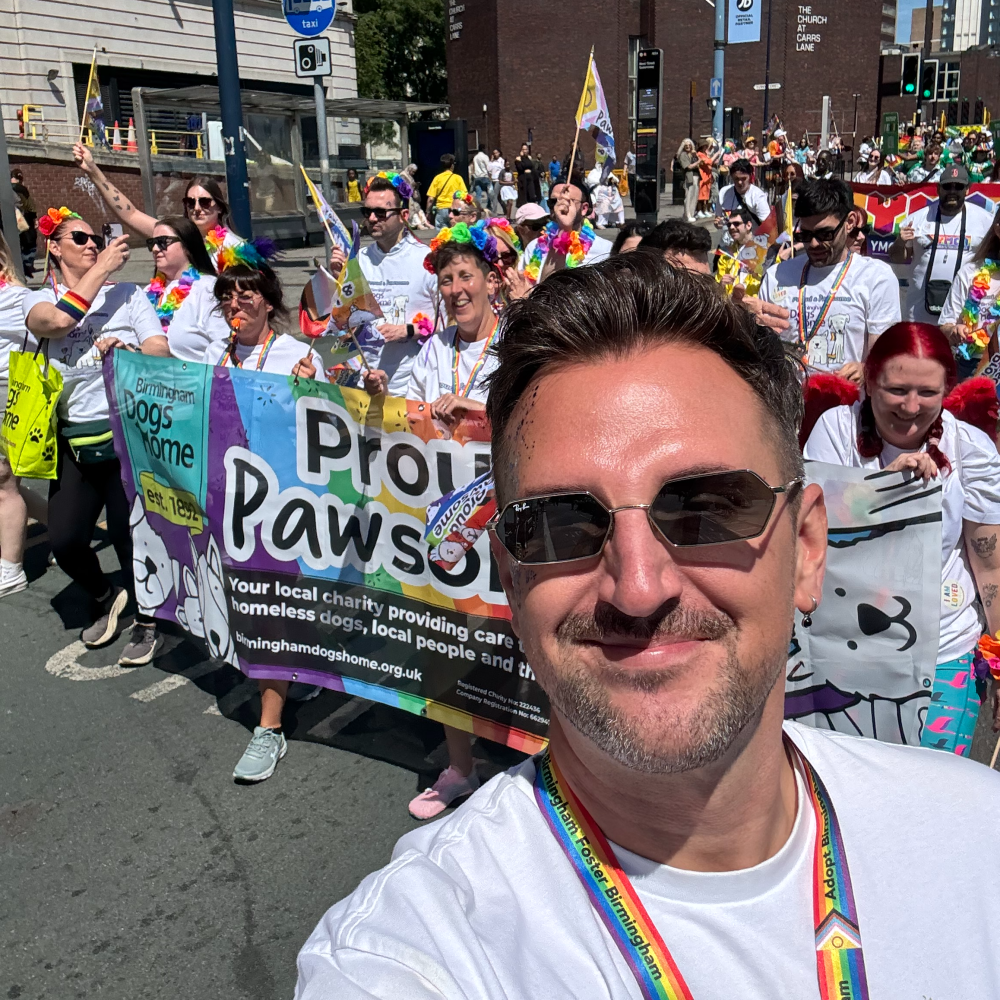
One of the Reasons I Love This Industry
One of the reasons I've fallen in love with the pet, animal health and veterinary industries is because of the people.
In a single week I might speak to a veterinary surgeon, a scientist developing new animal health products, a sales director, a pet retailer, a marketing manager, somebody looking for their first role in the industry and somebody who has just been made redundant after twenty years with the same company.
No two stories are ever the same.
No two careers are ever the same.
And that's exactly what makes this industry so special.
However, if I'm being completely honest, I also think we still have work to do.
When I first started recruiting in the pet industry, there were times when it felt like the same people moving between the same businesses.
The same networks.
The same career paths.
The same familiar faces.
That isn't a criticism of those individuals. Many of them helped build the fantastic industry we have today.
But any industry becomes vulnerable when it recruits too heavily from the same talent pools.
Because if we genuinely want to understand the customers buying our products and services, our teams need to better reflect those customers.
Today's pet owners come from every imaginable background.
Different ages.
Different ethnicities.
Different religions.
Different family structures.
Different sexual orientations.
Different gender identities.
Different life experiences.
Different socioeconomic backgrounds.
If everybody in the room has had the same experiences, how can we expect to fully understand the people we're trying to serve?
That's one of the reasons we challenge clients to think differently about talent.
To look beyond direct competitors.
To look beyond traditional routes into the industry.
To look beyond the obvious choice.
Because one thing I've learned through recruitment is that talent exists everywhere.
Opportunity doesn't always.
The organisations that will thrive over the next decade won't necessarily be the ones hiring the same people that everybody else is chasing.
They'll be the organisations willing to embrace different experiences, different perspectives and different ways of thinking.
And increasingly, consumers are paying attention too.
People want to buy from organisations whose values align with their own.
They want to see businesses that treat people well.
Businesses that create opportunities.
Businesses that genuinely understand the communities they serve.
Diversity and inclusion aren't simply internal HR conversations anymore.
They influence employer brand.
They influence customer perception.
They influence talent attraction.
And ultimately, they influence long-term business success.

What Allyship Meant To Me
When I think about allyship in the workplace, I don't think about corporate campaigns or rainbow logos.
I think about a manager I had in my early twenties.
I was around 21 years old and working for Yell between seasons spent working in Greece.
There was somebody on the team who was consistently passive-aggressive towards me. It was subtle, but it was there.
I remember hearing him use a gay slur and mock gay people by putting on an exaggerated, effeminate voice.
It was directed at me.
Today, most people would immediately recognise that behaviour as unacceptable.
Twenty years ago, things felt very different.
Mocking gay people was far more commonplace. It happened on television, in workplaces and in everyday conversations. People often dismissed it as banter.
But it wasn't funny.
It was upsetting.
I remember speaking to my manager about what had happened. She immediately took me away from the situation, sat me down and gave me the space to talk.
She listened.
She believed me.
She reassured me that what I had experienced wasn't acceptable and that it would be addressed.
Most importantly, she made me feel safe.
Twenty years later, I still remember that conversation.
Not because she made a grand gesture.
Not because she delivered a speech.
Because she showed kindness when I needed it.
And I've never forgotten it.
That's the thing about allyship.
The people offering it often don't realise the impact they're having.
The people receiving it never forget it.
Thankfully, she wasn't the only ally I would encounter throughout my career.
When I look back across my working life, I realise just how fortunate I've been to work alongside people who encouraged me to be myself.
I think about the incredible people I worked with during my time at
KC Group. Colleagues, managers and friends who never made me feel different, judged or unwelcome.
People who simply accepted me for who I was and created environments where I felt I belonged.
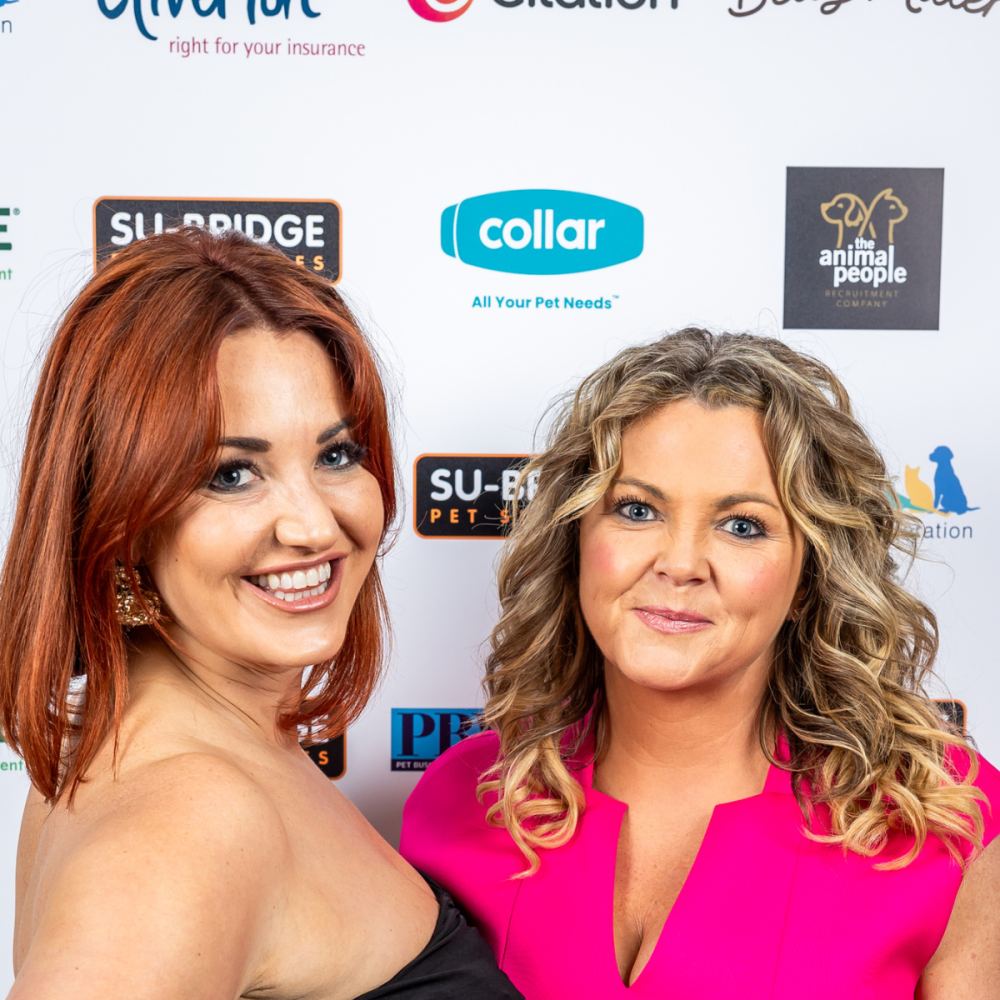
Sarah Grace and Katie Fletcher
Most of all, I think about my business partner, Sarah Grace.
Sarah has always been one of the strongest allies I have ever known.
Throughout her career she has built teams based on talent, character and potential, never on who somebody loves or how they identify. She has consistently created environments where people feel safe to be themselves and where individuality is celebrated rather than hidden.
When we founded The Animal People Recruitment Company together, that commitment naturally became part of our culture too.
And whilst I'm recognising allies, I would be remiss not to mention my right-hand woman, Katie Fletcher.
Katie is one of my closest friends, an exceptional colleague and somebody who has been by my side through so much of my journey.
Many years ago, when I was still finding the courage to fully be myself, Katie was one of the people who helped me realise that I didn't need to hide who I was. She gave me confidence at a time when I really needed it and supported me without judgement, expectation or condition.
The truth is that I wouldn't be the person I am today without people like Katie in my corner.
Our candidates absolutely adore her, and having worked alongside her for so many years, I know exactly why.
She genuinely cares.
She listens.
She makes people feel seen.
And those qualities make a huge difference.
The Pet, Animal Health and Veterinary Industries Owe More To The LGBTQIA+ Community Than They Realise
One thing I don't think we talk about enough is just how many LGBTQIA+ people help keep our industries moving.
Every day, LGBTQIA+ professionals are helping improve the lives of animals and the people who care for them.
They're veterinary surgeons diagnosing complex conditions.
They're veterinary nurses supporting owners through difficult moments.
They're scientists developing medicines and treatments.
They're nutritionists improving animal wellbeing.
They're marketers educating pet owners.
They're recruiters helping businesses find talent.
They're entrepreneurs building the next generation of brands.
They're leaders creating jobs and growing organisations.
They're woven throughout every part of our industries.
And that contribution deserves recognition.
Not because they're LGBTQIA+.
But because talent should be recognised wherever it exists.
Why Belonging Matters
One of the questions I often ask candidates is:
"Can you see yourself there?"
Not in the role.
In the culture.
Can you see yourself belonging?
Because candidates increasingly assess employers in exactly the same way employers assess candidates.
People want to work somewhere they can thrive.
Somewhere they feel respected.
Somewhere they don't feel the need to leave part of themselves at the door.
And the organisations that understand that are the organisations that continue attracting great people.
Final Thoughts
If there's one thing I hope people take away from this article, it's that allyship matters far more than many people realise.
For many people, being an ally doesn't feel like a big deal. You listen to somebody. You challenge a comment. You make somebody feel welcome. You create an environment where people can be themselves.
Then you move on with your day.
But the impact can stay with somebody for years.
When I look back on my career, I don't remember the targets.
I don't remember the placements.
I don't remember most of the meetings.
What I remember are the people.
The manager who stepped in when I needed support.
The friends who gave me confidence.
The colleagues who made me feel welcome.
The allies who helped me become the person I am today.
If this article does anything, I hope it reminds people that allyship doesn't need to be complicated.
Sometimes it's simply making somebody feel safe enough to be themselves.
And that can change a life.
Need support with recruitment, employer branding, candidate experience or building diverse and inclusive teams within the pet, animal health or veterinary sectors?
I'd love to hear from you.
More Blogs...