Navigating EU Export Challenges Post Brexit: Why Talent, Compliance and Strategy Must Align
Key takeaways from the PIF Business Conference
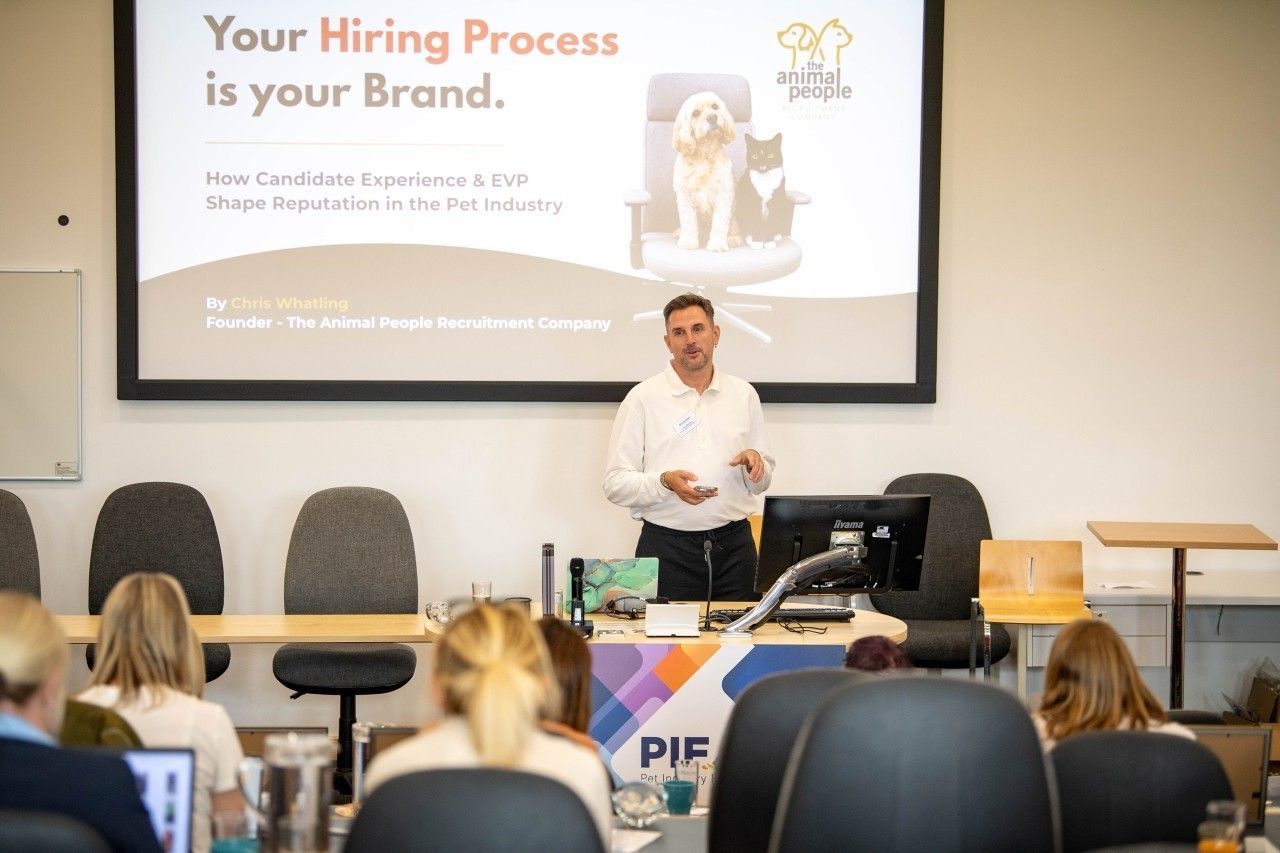
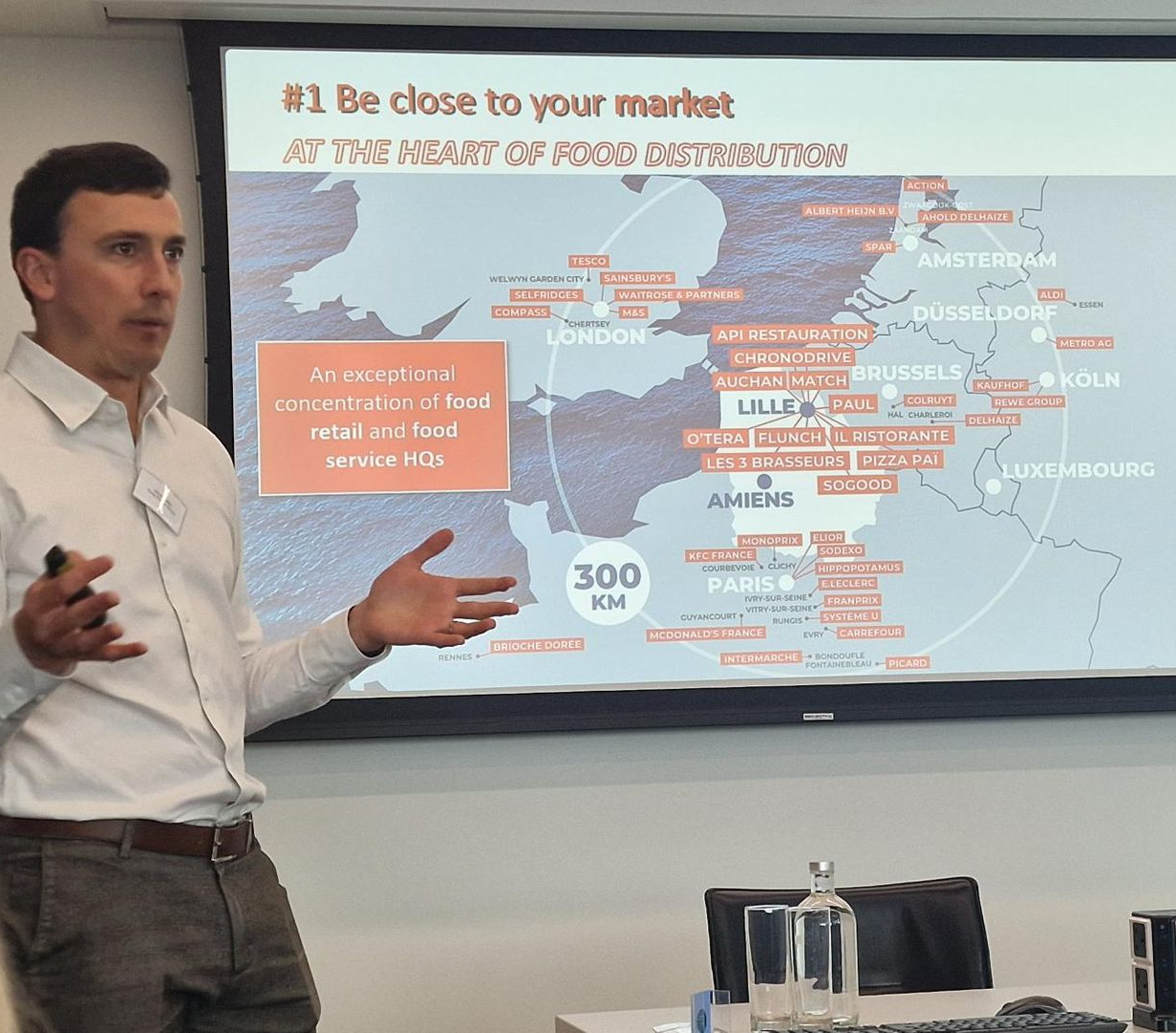
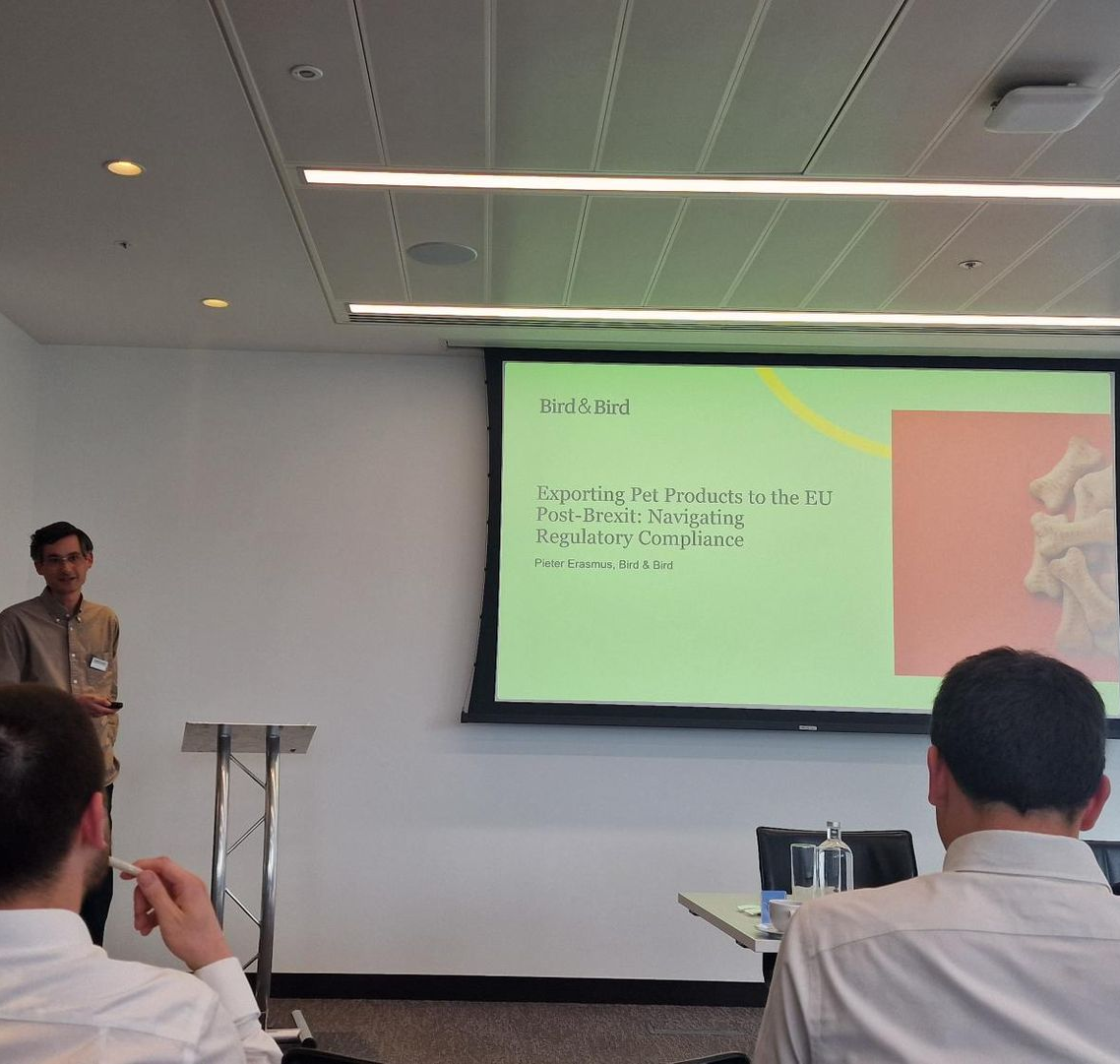
Last week, I attended a series of expert-led sessions hosted by Bird & Bird, in partnership with the Pet Industry Federation (PIF), focused on a challenge that’s still very real for our industry: exporting pet products from the UK into the EU post‑Brexit.
First, a genuine thank you to PIF for the invitation and for bringing businesses together to talk openly about what’s working, what isn’t, and where the risks really sit.
These conversations matter, because exporting into Europe today is not what it was five years ago, and pretending otherwise helps no one.
Exporting to the EU: This Is the New Normal
One of the clearest messages from the sessions was this: UK businesses are now treated as third‑country exporters when selling into the EU.
That single shift has a knock‑on effect across almost every part of a business, including:
- Regulatory responsibility
- Labelling and product compliance
- Supply chain structure
- Time to market
- Cost and commercial viability
This isn’t a temporary hurdle or a “teething problem.” It’s a structural change and it’s here to stay.
For many pet businesses, exporting into Europe is no longer just a sales decision. It’s a strategic one.

Compliance Isn’t a Box to Tick - It’s the Price of Entry
One line that really stuck with me was:
“Compliance isn’t optional, it’s a requirement for market access.”
For pet product manufacturers and brands, that means navigating a layered and often frustrating framework:
- EU‑wide rules alongside individual Member State requirements
- Product‑specific regulations (pet food, supplements, accessories, packaging)
- Strict labelling and language obligations
- Sustainability and recycling legislation
- The need for an EU‑based “responsible person” for non‑EU companies
Get this wrong and the consequences are serious - from goods being stopped or destroyed at the border, to fines, lost retail relationships, and reputational damage that’s hard to undo.
What I see time and again is businesses underestimating this stage. A great product isn’t enough. You have to be operationally ready to export.
Brand Protection: Often Missed, Always Costly
Intellectual property came up repeatedly - and for good reason.
Many UK brands assume their trademarks and designs automatically protect them in Europe. They don’t.
Without EU‑level protection, brands are exposed to:
- Copycats and lookalikes
- Weak enforcement options
- Lost market share or worse, loss of brand control
Leaving this too late can mean expensive disputes or forced rebrands. For growing pet brands, that’s not just a legal headache, it’s a commercial risk.
There’s No Single “EU Market”
Another important takeaway: Europe isn’t one market. Each country brings its own:
- Labelling and language rules
- Compliance nuances
- Routes to market (retail, distributor, DTC)
- Consumer behaviours and expectations
France, for example, is a huge opportunity but success there often requires strong local knowledge, trusted distribution partners, and sometimes an on‑the‑ground presence.
This is where the mindset has to shift from “exporting products” to "building a European strategy."
Where Talent Really Makes the Difference
This is where my world - recruitment, comes sharply into focus. Because none of this works without the right people.
We’re seeing growing demand for:
- EU‑based commercial leaders
- Regulatory and compliance specialists
- Export managers with multi‑market experience
- Local experts who understand distribution, culture, and consumers
The businesses that are succeeding in Europe aren’t trying to do it all remotely from the UK. They’re investing in people who understand the landscape and can operate within it. Done right, talent doesn’t just support growth, it enables it.

From Recruiter to Strategic Partner
At The Animal People Recruitment Company, we’ve always specialised in the pet and animal health sectors. But increasingly, our role goes beyond filling roles.
We’re supporting businesses that are:
- Expanding into European markets
- Rethinking supply chains post‑Brexit
- Building international commercial teams
- Navigating uncertainty in a challenging economic climate
This event reinforced something I strongly believe: The businesses that thrive are the ones that align compliance, strategy, and talent, instead of treating them as separate problems.
There’s no denying that exporting into the EU is complex. For many businesses, it can feel overwhelming. But there is still opportunity.
The European pet market remains large, resilient, and full of potential for UK brands that approach it realistically and strategically. With the right advice, the right structure, and crucially the right people, these challenges become manageable.
If you’re exploring European expansion, or simply trying to understand what this all means for your business, I’m always open to a conversation.
Because in times like these, having the right partners around you isn’t just helpful - it’s essential.
More Blogs...