What Global Pet Expo 2026 Reveals About the Future of the Pet Industry (And Why People Will Decide Who Wins)
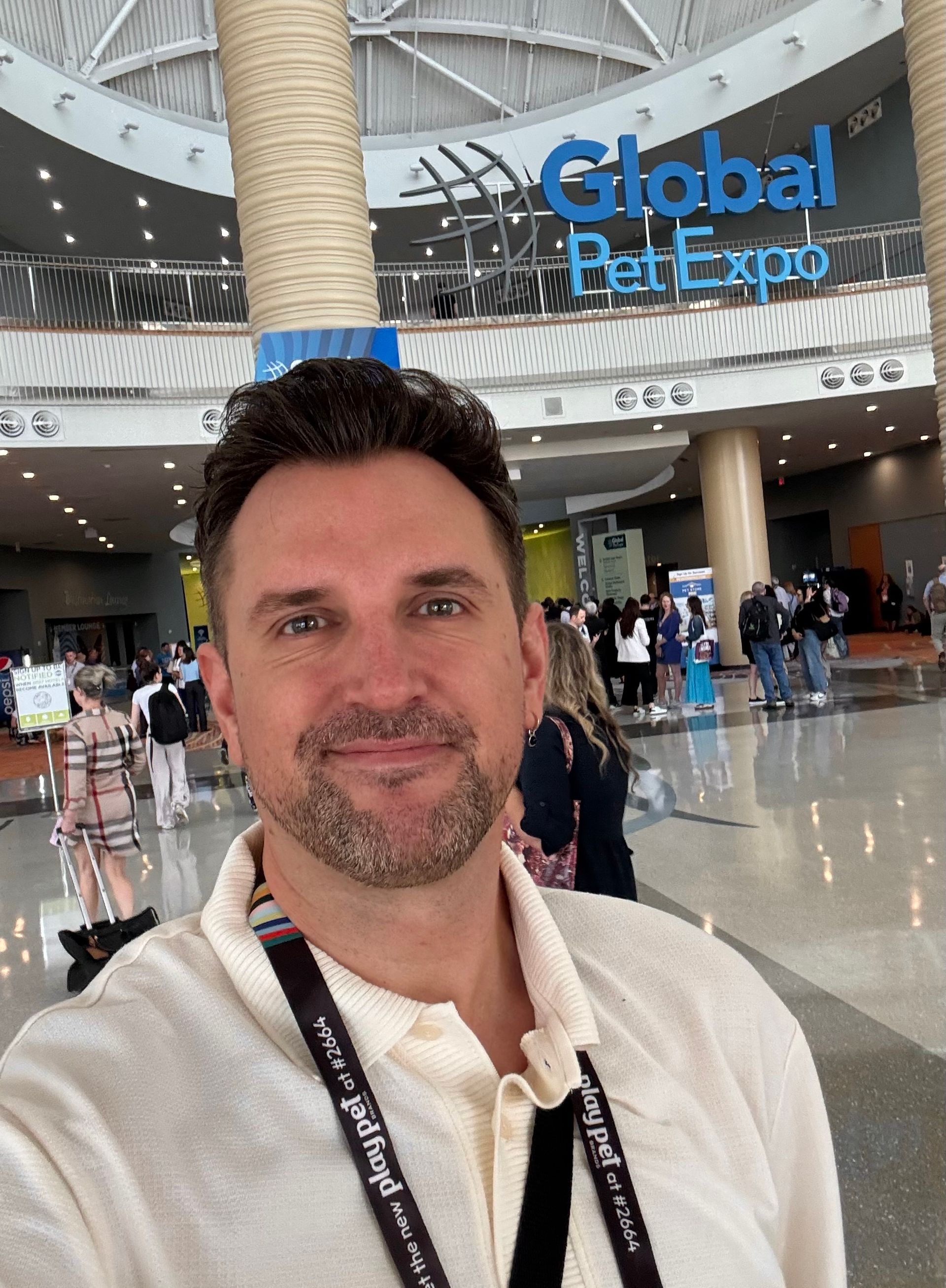
Global Pet Expo 2026 in Orlando brought together over 1,000 exhibitors and offered a clear view of where the global pet industry is heading.
I made a conscious decision to approach this show properly. This wasn’t a quick walk around the floor or a handful of surface-level conversations. I spent time in the sessions, worked my way through every aisle, and gave real attention to the New Product Showcase. I spoke to founders, commercial leaders, marketers, and operators, and listened carefully to what people were saying.
When you take that approach, you stop seeing just what is in front of you. You start to understand what is coming next.
Key Trends from Global Pet Expo 2026
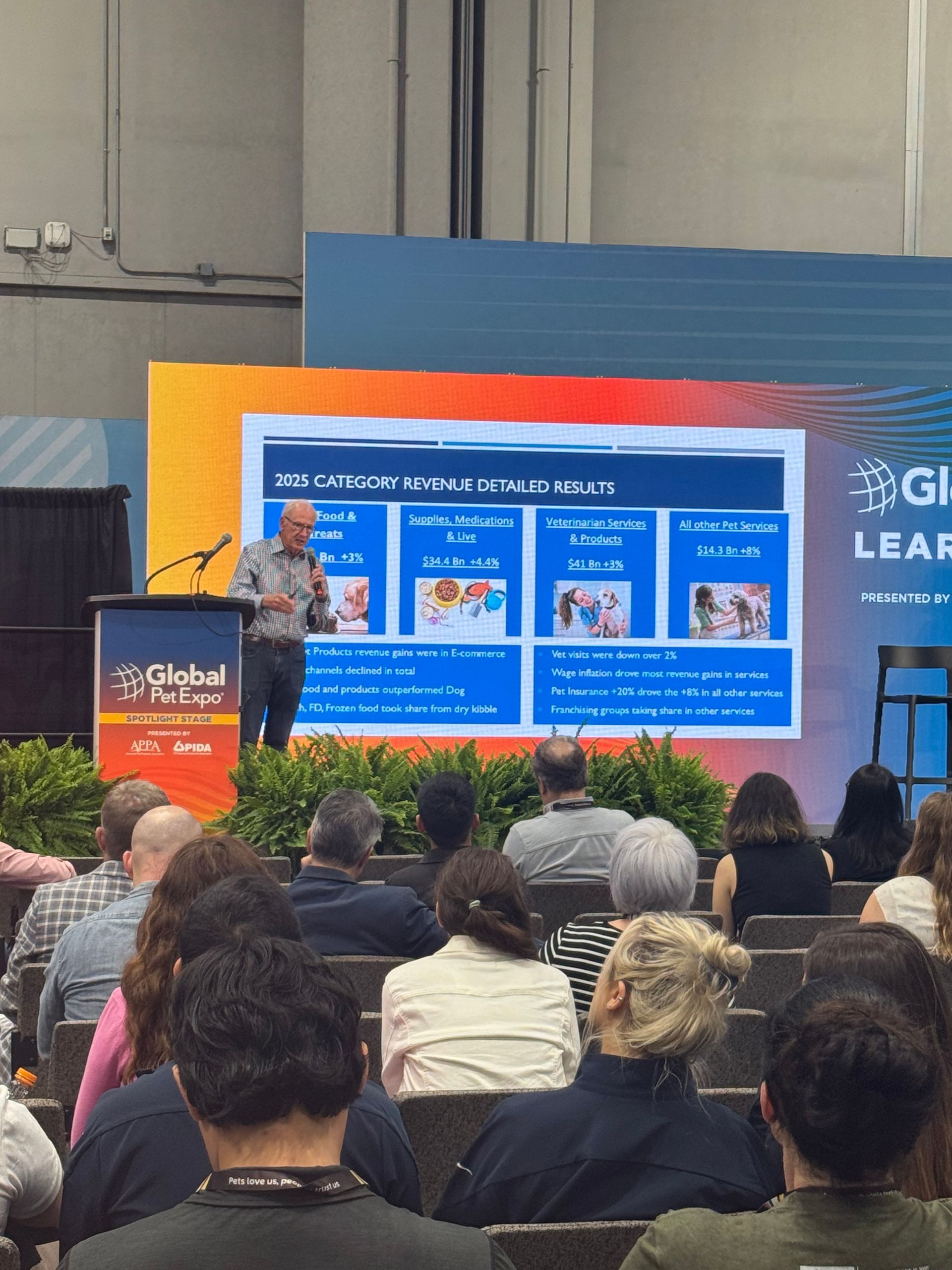
The data released by the American Pet Products Association during the show reinforces what you can feel in the room.
The US pet industry reached $158 billion in 2025 and is projected to grow again in 2026. Growth remains steady, even against a challenging economic backdrop.
What stands out more than the size of the market, however, is how it is evolving.
Consumers are becoming more considered in how they spend. Pet ownership remains strong, but spending behaviour is shifting towards value, quality, and wellbeing. This is a more mature, more intentional market.
For businesses, this changes the focus. Success is no longer driven purely by product. It is driven by how effectively that product is taken to market, positioned, and executed.
That is where the real difference is made.
The New Product Showcase: Where Innovation Meets Reality
The New Product Showcase is one of the most valuable parts of Global Pet Expo, and it is where I spent a significant amount of time.
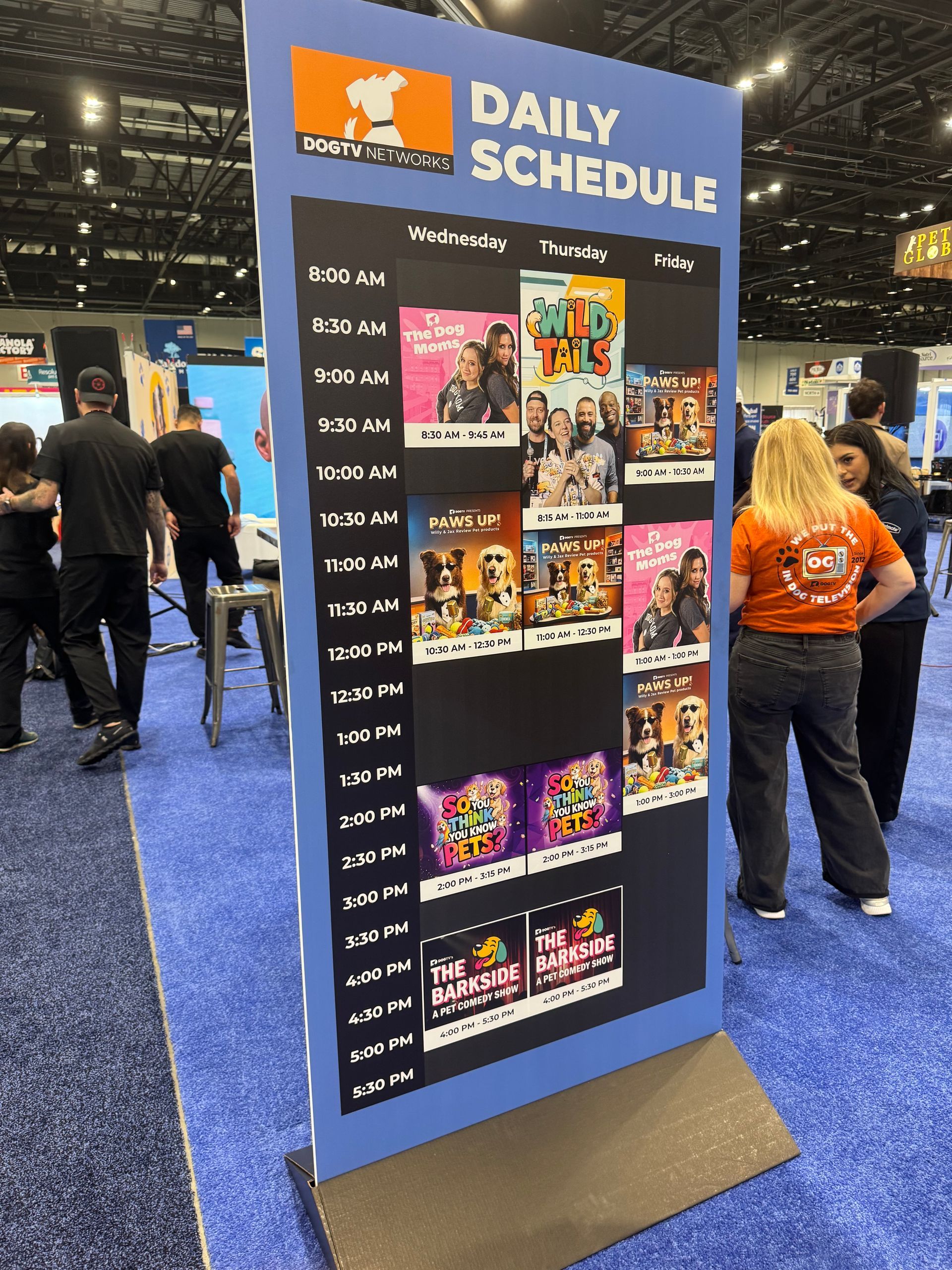
Working through food, treats, technology, enrichment, and accessories in detail, you quickly begin to see what is genuinely innovative and what is more incremental. More importantly, you start to understand which products have the potential to succeed commercially.
That is where experience comes into play.
It is not simply about identifying a strong idea. It is about understanding how that idea translates into real-world performance.
Who is going to take this product to market?
Who is going to build the relationships that get it into the right retail channels?
Who is going to scale it effectively?
There is a huge amount of respect due to the people who take an idea from concept to shelf. However, ideas alone do not build businesses.
People do.
I Sat in the Petfluence Studio — This Is What I Took From It
Spending time in the Petfluence Studio and listening to the conversations taking place there was one of the clearest indicators of where this industry is heading.
This was not a side feature or something experimental. It reflected a real shift in how brands are thinking about growth.
Content, creators, and brand partnerships are now playing a central role in how products are discovered and purchased. Brand-building no longer starts at the shelf. It starts much earlier, through storytelling, community, and digital presence.
The US market is leading this shift with intent.
This is not simply a marketing evolution. It requires a different type of thinking and, importantly, a different calibre of talent.
The individuals who can bridge brand, content, and commercial performance are not easy to find. When businesses get this right, the impact is significant.
A Show That Reflects the Entire Industry
What stood out throughout the show was the level of thought behind how it was structured.
Every category had space and presence. Aquatics, reptiles, small animals, cats, and dogs were all represented in a way that felt intentional and considered.
That matters, because the industry is not defined by one segment. It is built collectively, and the strength of the sector comes from that diversity.
The quality of some of the stands also reflected that level of intent. Benebone was a standout example, creating a space that combined creativity with genuine engagement. It was also great to reconnect with familiar faces including Paul Nolan and Victoria Lowe, reinforcing how connected this industry remains across markets.
What Happens Outside
the Show Floor
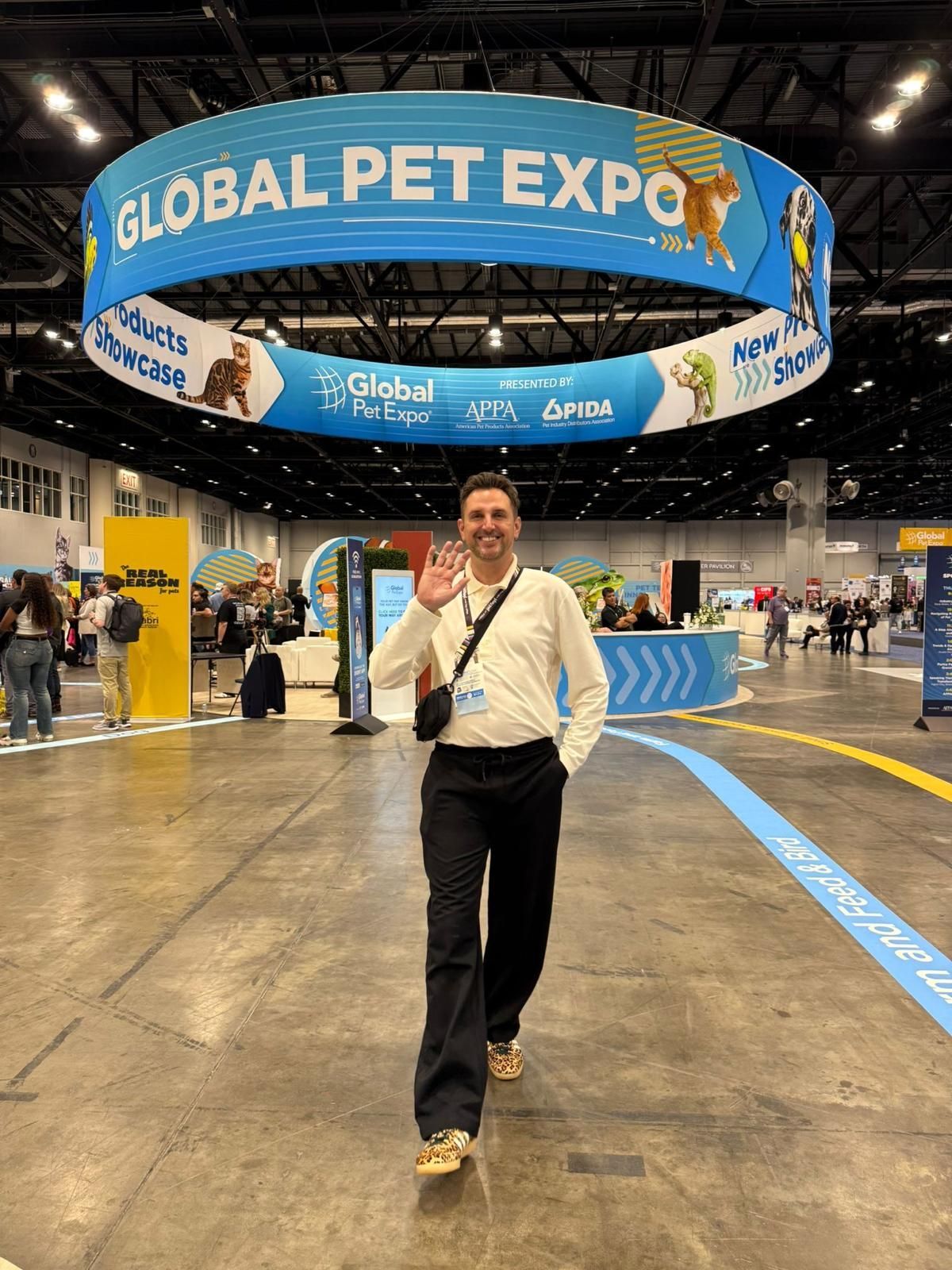
Some of the most valuable insights came from conversations outside the show itself.
The industry does not switch off when the doors close. Conversations continue in hotels, restaurants, and across the city, and those are often where the most honest discussions take place.
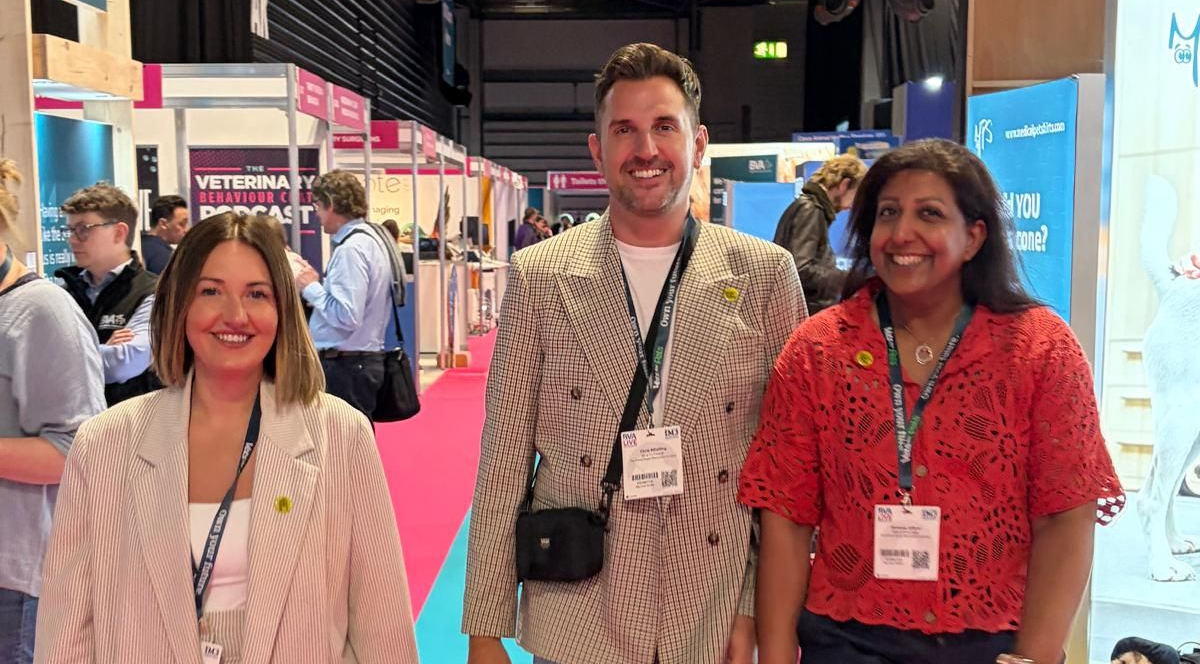
During those moments, I reconnected with clients and candidates I have worked with in the UK who are now operating in the US.
Seeing them succeed in a different market, leading teams and contributing to business growth, is a powerful reminder of the long-term impact of getting hiring decisions right.
I also had the opportunity to reconnect with Clayton Payne, who is now building the Pet Business Disrupters Podcast and making a strong impact in the industry.
There were also some great moments of wider visibility for the industry, with figures such as
Mario Lopez
and
Brandon McMillan supporting the show and bringing additional attention to the space.
Hiring Strategy Is Becoming a Competitive Advantage
One of the most consistent themes throughout the week was hiring.
Many businesses are focused on growth, but there is still a clear gap in how recruitment is approached.
Some are managing it internally without the right expertise. Others are working with partners who do not fully understand the industry.
Conversations with the Pet Sustainability Coalition highlighted how closely hiring, culture, and long-term sustainability are linked.
Candidate experience remains a critical and often underestimated factor. It directly influences employer brand, perception, and long-term success.
This is an area where the right approach can create a significant competitive advantage.
Purpose Still Sits at the Heart of It All
One of the most important aspects of the week for me was seeing how visible rescue and welfare organisations were within the show.
Among all the innovation and commercial activity, there was still clear space given to the organisations working to support animals. That balance matters.
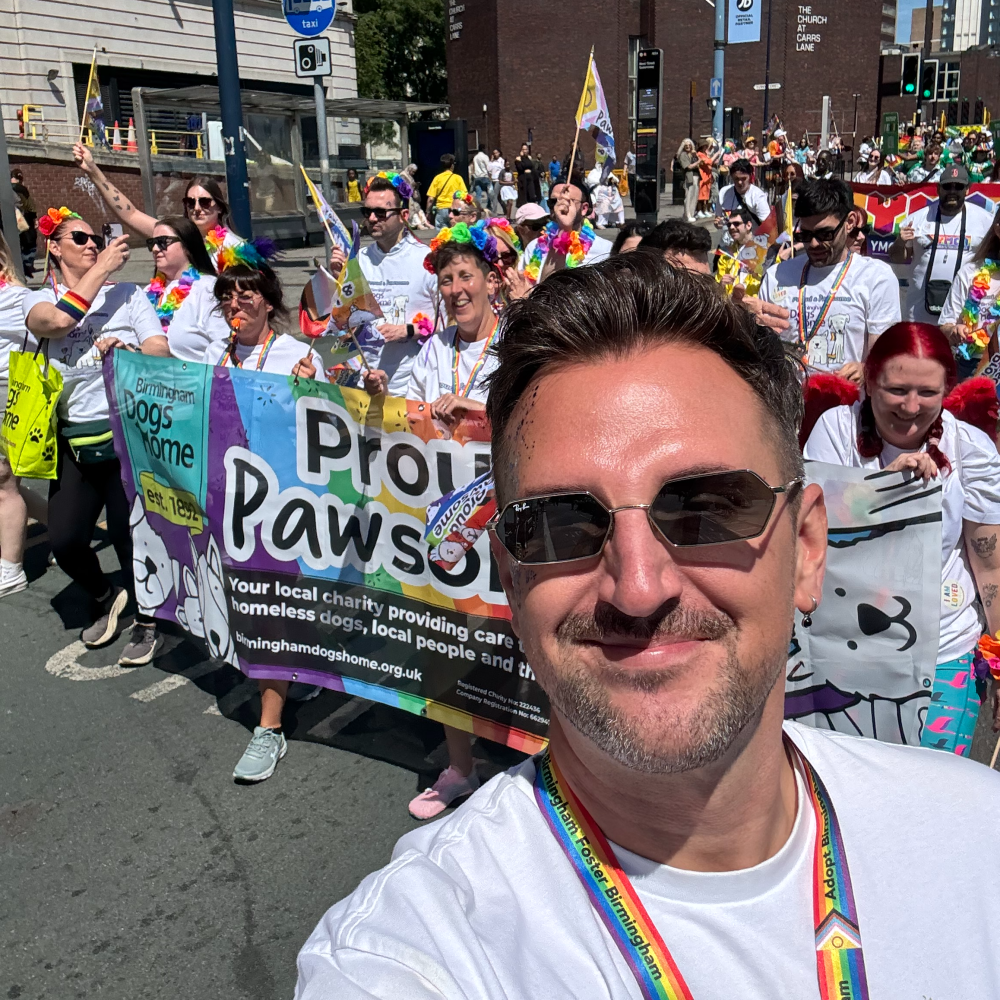
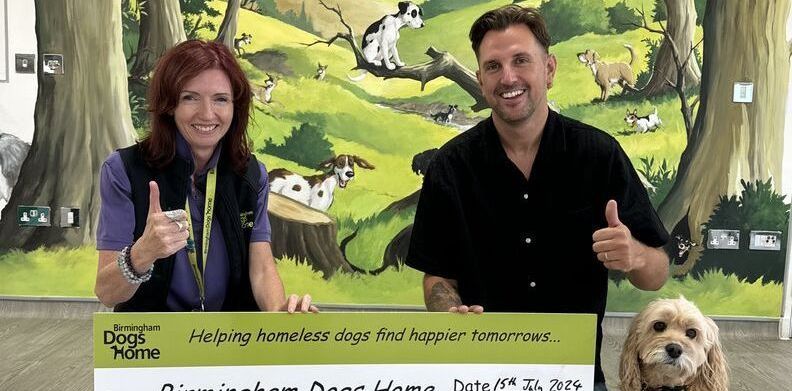
As an Ambassador for Birmingham Dog’s Home, this is something I care deeply about. The industry exists because of animals, and it is important that we do not lose sight of that as it grows.
There were also initiatives supporting local shelters in Orlando, including product collections and donations, which was great to see. It reinforced that even at this scale, there is still
a commitment to giving back.
Final Thoughts
Global Pet Expo reinforced something that is becoming increasingly clear.
The pet industry is evolving quickly. Innovation is strong, investment is there, and ambition is high. However, the businesses that will lead the next phase of growth will not simply be the ones with the best products.
They will be the ones that build the right teams around those products.
Across every conversation, every brand, and every piece of innovation I saw, the same question kept coming back to the surface — who is actually driving this forward?
That is where the difference is made.
I have spent my career working in that space, helping businesses across the pet and animal health industry build teams that do not just look good on paper, but actually deliver.
If you are a business thinking seriously about growth, particularly in relation to people, structure, and hiring strategy, this is an area worth getting right early.
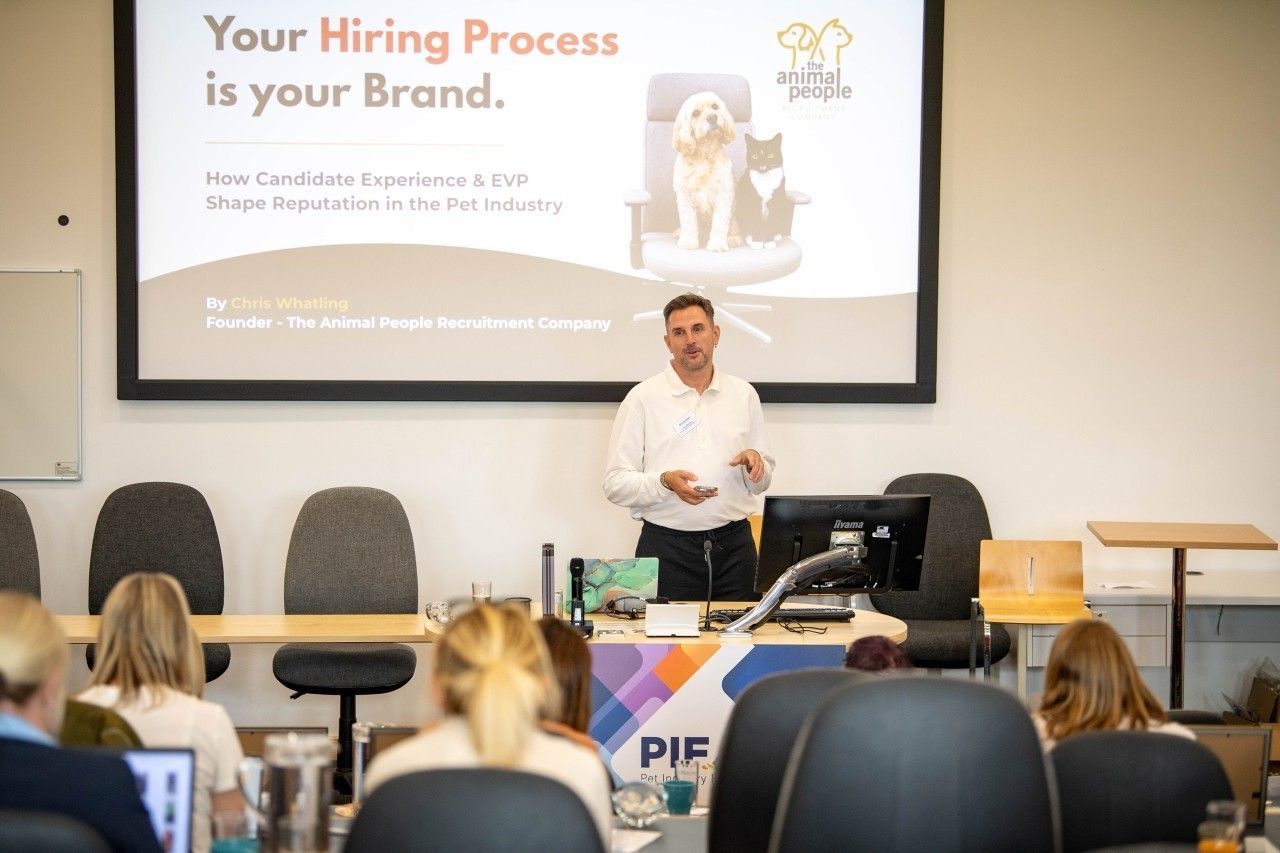
Alongside that, I am increasingly working with organisations and industry events to speak on topics around hiring, employer brand, candidate experience, and building high-performing teams within the pet and animal health space.
If you are looking for support from a recruitment perspective, or you are putting together panels, events, or discussions in this area, I would be very happy to be part of that conversation.
There is a lot happening in this industry right now.
It feels like the right time to be part of shaping what comes next.
More Blogs...