When did getting a job become a full-time job?
Written by Katie Fletcher, Recruitment Director
October is here, spooky season has officially arrived and, whilst we’ve talked plenty over the years about ghosting in recruitment, there’s something else I’ve been thinking about recently.
When did getting a job become a full-time job in itself?
It’s something I’m hearing more and more from candidates.
Apply for the role. Have an initial conversation. First interview. Second interview. Meet another stakeholder. Prepare a presentation. Complete a task. Travel for a face-to-face. Potentially come back for a final conversation.
All whilst doing your actual job.
I’m not suggesting businesses should make important hiring decisions after one 30-minute Teams call. Particularly at senior level, getting a hire wrong can be incredibly costly, both financially and culturally.
But I do think we’ve reached a point where we need to ask whether every part of the recruitment process is genuinely helping us make a better decision.
Because more assessment doesn’t automatically mean better assessment.
What are candidates actually telling us?
We recently asked our network what would make them withdraw from a role they were genuinely interested in.
36% said poor or no communication. Another 36% said too many interview stages.
Only 14% said the process simply taking too long.
I found that really interesting.
Because perhaps candidates aren’t actually telling us recruitment needs to be faster.
They’re telling us it needs to make sense.
A three-week process where you’re kept informed, understand what happens next and feel each conversation has a purpose can feel very different from ten days of uncertainty and silence.
The same applies to interviews.
Three stages that genuinely assess different things may be completely appropriate. Three stages where three different people ask broadly the same questions probably aren’t.
So before adding another stage, I think there’s a really simple question worth asking:
What are we trying to learn that we don’t already know?
If you’re asking someone to prepare a presentation, what are you assessing? If another stakeholder needs to meet them, what do they need to establish?
Every stage should earn its place.
I understand why businesses are cautious
Sitting in the middle of recruitment means I see the other side of this every day too. Businesses are nervous about making the wrong hire — and understandably so.
Teams are lean. Budgets are being scrutinised. A senior commercial hire can influence millions of pounds of revenue. A poor manager can affect an entire team. Getting recruitment wrong costs far more than another interview.
So businesses want certainty.
The problem is that another interview doesn’t necessarily create it.
Sometimes when a hire feels particularly important, we respond by adding another stakeholder, another task, another meeting or another layer of sign-off.
At some point, additional process stops reducing one risk and starts creating another:
losing the person you wanted to hire in the first place.
Good candidates don’t generally stop speaking to the rest of the market just because they’ve entered your recruitment process.
And they’re assessing you at exactly the same time as you’re assessing them.

In pet, your recruitment process travels further than you think
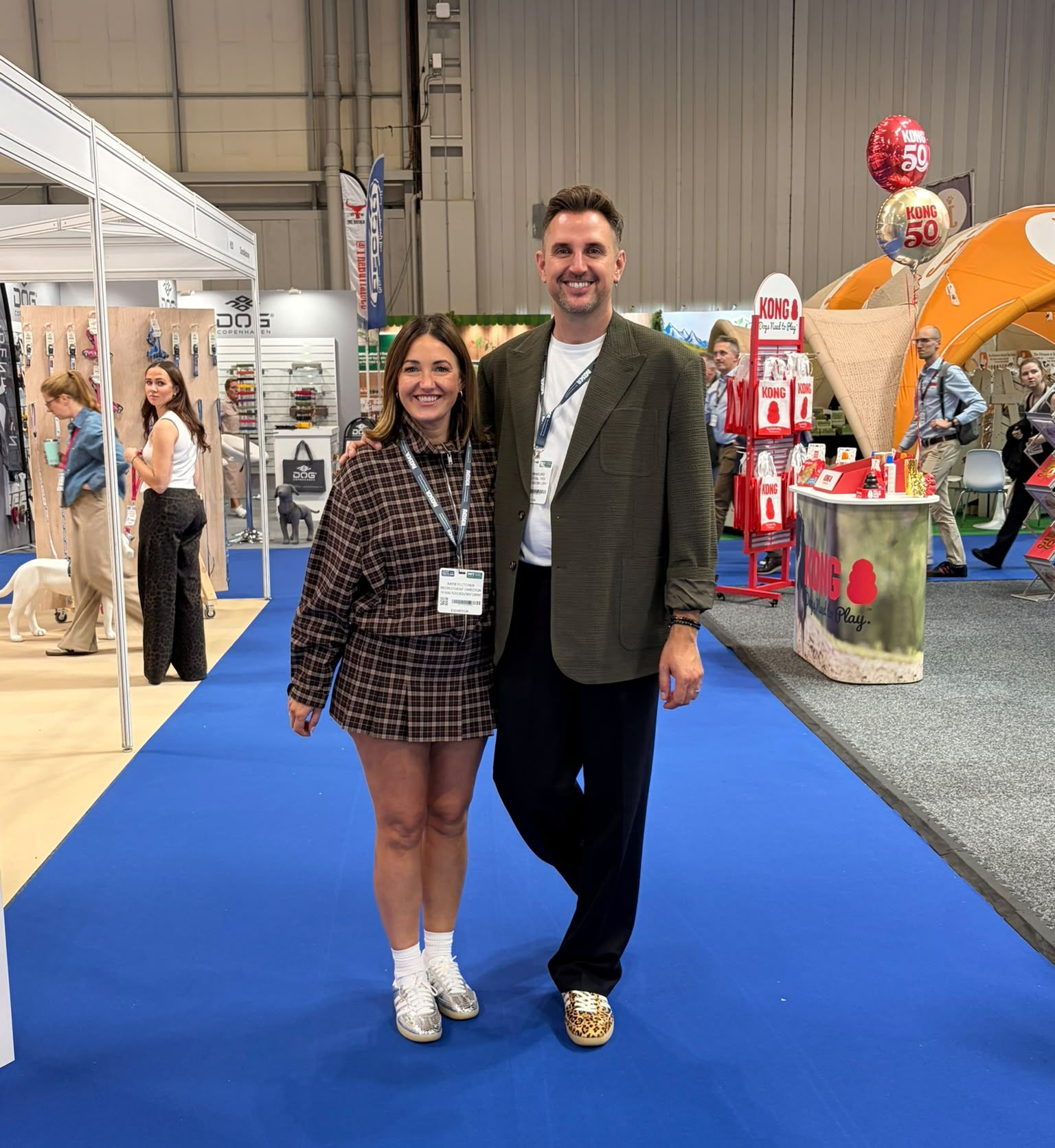
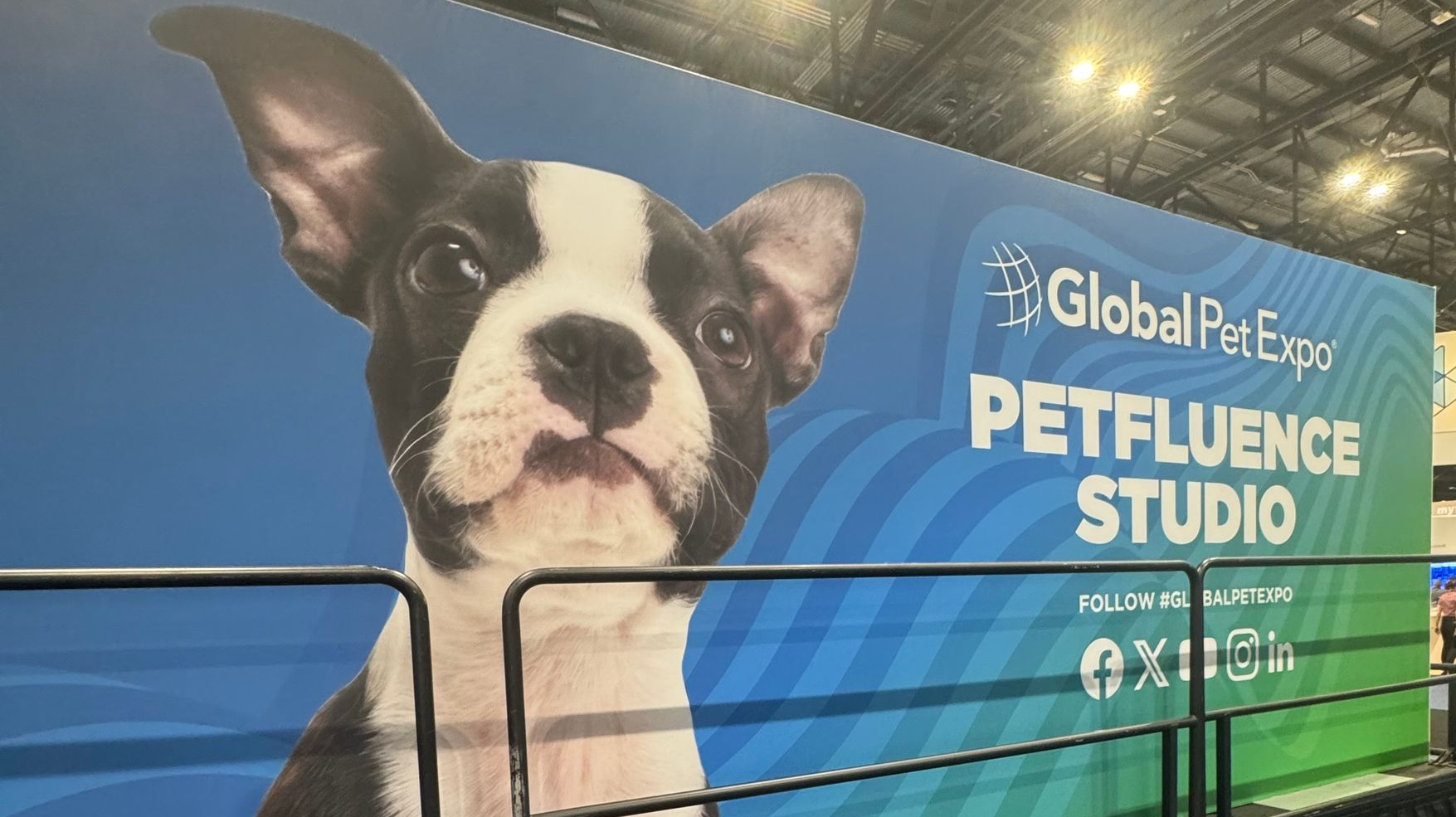
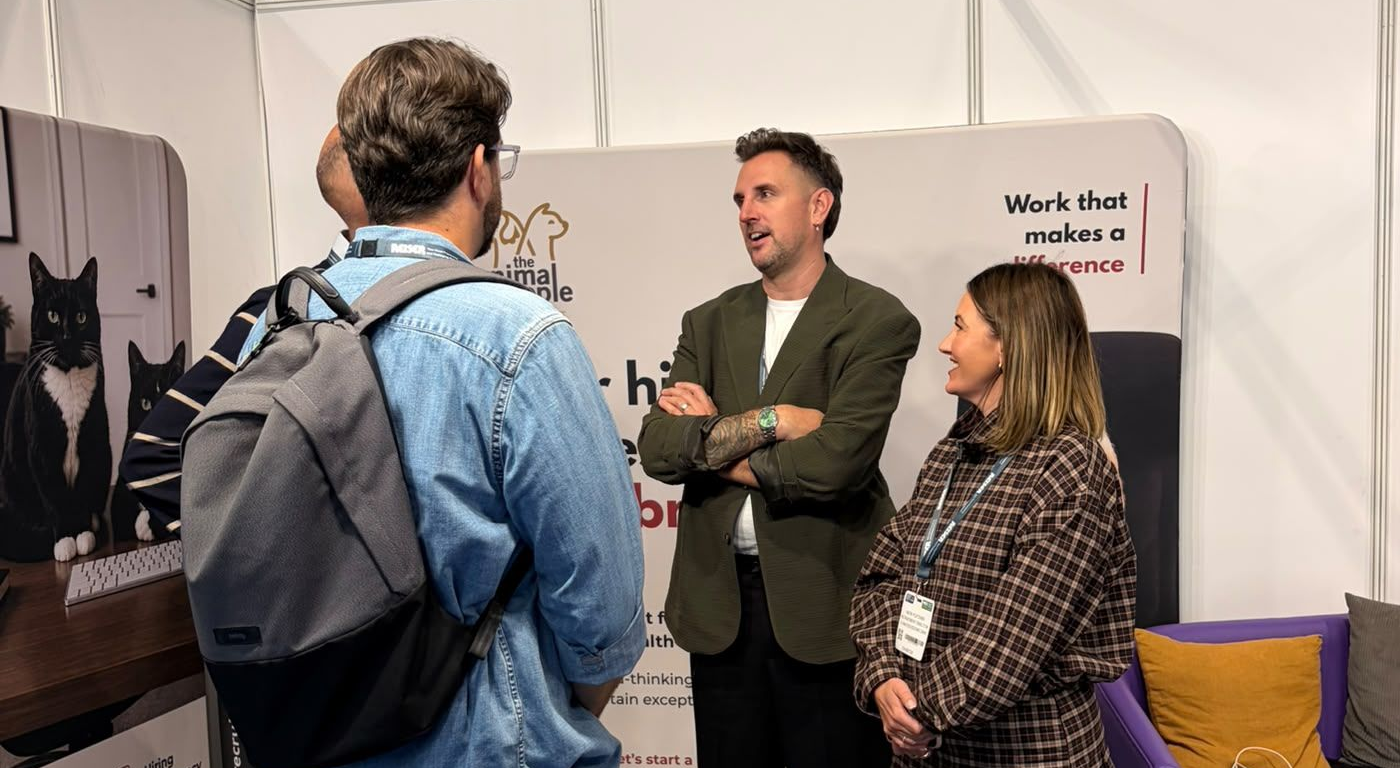
Coming back from PATS reinforced something else for me.
This is an incredibly connected industry.
Spend three days with so much of pet under one roof and you quickly realise how many relationships cross businesses, brands, retailers, suppliers and different parts of the sector.
Today’s candidate could be tomorrow’s customer, supplier, colleague, hiring manager or industry contact.
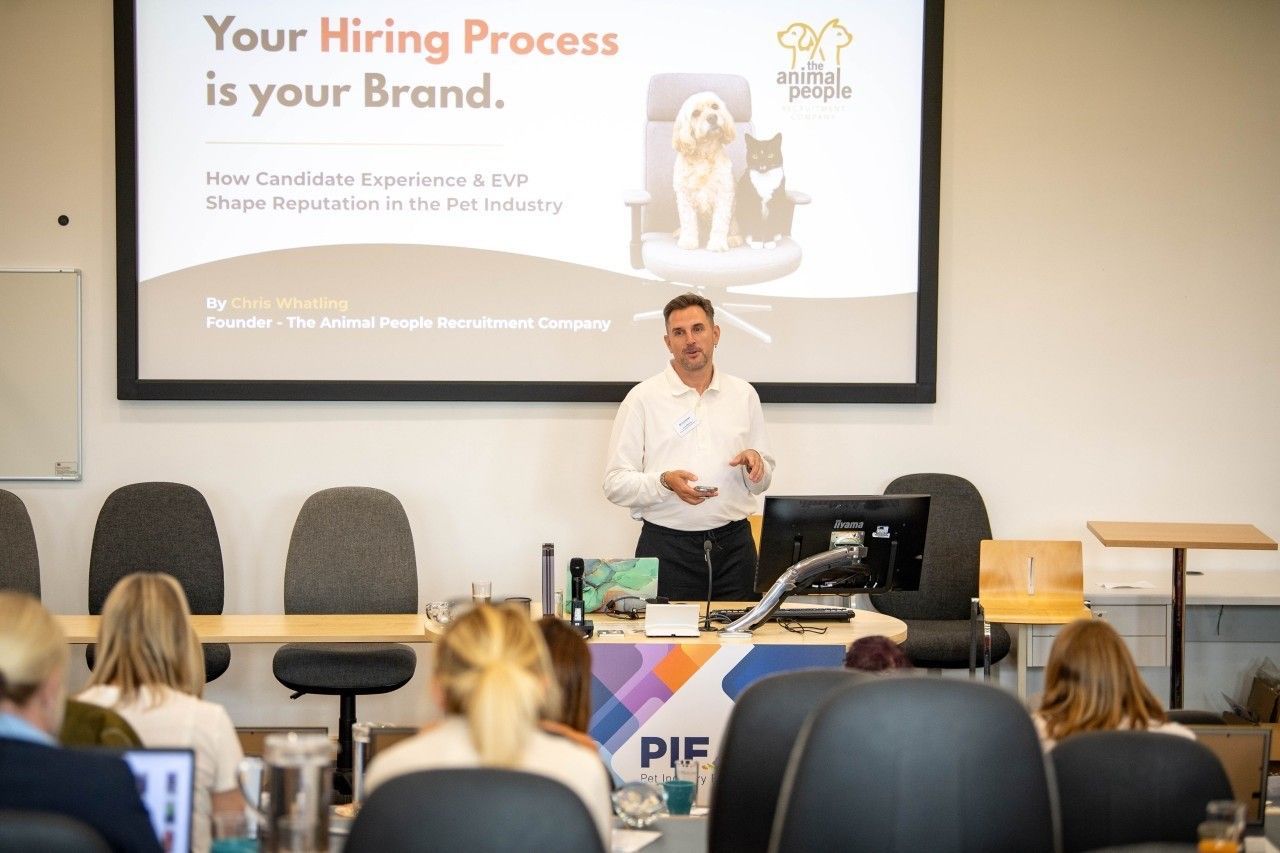
Your recruitment process is part of your reputation.
Candidates notice when nobody appears to have read their CV. They notice when the role sounds different depending on who they’re speaking to. They notice when promised feedback doesn’t arrive.
But they remember the good experiences too.
A hiring manager who’s prepared. An honest conversation about the opportunity and its challenges. Clear expectations. Useful feedback. Knowing what happens next.
None of that is complicated.
But it builds trust.
And in an industry as connected as ours, that matters.


Are we looking for the right person — or the perfect person?
This is another conversation I’m having more frequently with clients.
We’re hearing that finding the right people is difficult.
And sometimes it genuinely is. There are areas of the market where particular experience and skills are difficult to find.
But sometimes I think we need to challenge what we mean by “the right person.”
Do they genuinely need ten years in pet?
Do they need to have managed exactly the same retailers?
Do they need experience with exactly the same systems?
Does everything on the job description really need to be there on day one?
Or have we created such a specific brief that the person we’re searching for barely exists?
This is why I’m such an advocate for transferable skills and skills-based hiring.
Around 60% of the people we placed last year came from outside the pet industry.
Many of them are now thriving within it.
They didn’t suddenly become talented when they entered pet.
The ability was already there. Someone just needed to recognise how it translated.
I know that personally too. I came into pet from oil and gas nearly five years ago.
Different products. Different market. Different terminology.
But many of the skills transferred.
If we want to keep growing the talent available to this industry, we have to remain open-minded about where that talent can come from.
And then there’s the bigger talent question
PATS left me thinking about something beyond the vacancies we’re filling today.
There is an extraordinary amount of experience within the pet industry. People who have spent 10, 20 or 30-plus years building businesses, brands, relationships and knowledge that simply can’t be replaced overnight.
That’s a huge strength.
But are we doing enough to protect it?
Are businesses thinking about succession before a senior leader announces they’re leaving?
Are we giving people in the middle of their careers enough exposure, responsibility and development to become our next Heads of Sales, Commercial Directors, Marketing Directors, Operations Directors and MDs?
And are experienced people being given enough opportunity to pass on what they know?
Because succession planning shouldn’t start when somebody hands in their notice.
It happens years earlier.
It’s mentoring. Exposure. Development. Giving somebody the opportunity to step up before you desperately need them to.
And making sure valuable knowledge stays within a business rather than eventually walking out of the door.
There’s a much bigger conversation to be had around this, but it does connect back to how we recruit today.
If every vacancy begins with a list of everything somebody must already have done, we risk overlooking the people capable of becoming something bigger.
Sometimes the best hire isn’t somebody who can already do 100% of the role.
It’s somebody with the right foundations, capability and attitude to grow into the rest.
Maybe better hiring starts before the vacancy does
The more conversations I have across the industry, the more I think this is where we can make the biggest difference.
Before writing the job description, ask:
What does this person genuinely need to achieve?
Which skills are essential on day one and which can be taught?
Could somebody internally step up with the right development?
Could someone from another part of the industry bring something different?
Could someone from outside pet have exactly the commercial, operational or leadership capability we need?
And what do we genuinely need to establish during the interview process to make a confident decision?
Get those things right at the beginning and everything that follows becomes clearer.
The search. The interviews. The candidate experience. And ultimately, the decision.

I don’t think recruitment needs to become quicker at all costs.
And I certainly don’t think businesses should lower their standards.
I think we need to become clearer about what we’re looking for, more open-minded about where we find it and more intentional about developing the talent we already have.
Candidates have responsibilities too. Prepare properly. Be honest about what you’re looking for. Communicate when something changes and respect the time a business is investing in you.
Because behind every vacancy is a business making an important commercial decision.
And behind every CV is a person making an important life decision.
Good recruitment should respect both.
So perhaps the question this October isn’t simply how we fill the vacancy that’s open today.
It’s whether the way we’re hiring today is building the talent our industry is going to need tomorrow.
More Blogs...